Steal These 7 Aesthetic Thumbnail Styles for Your Next Ambient Mix
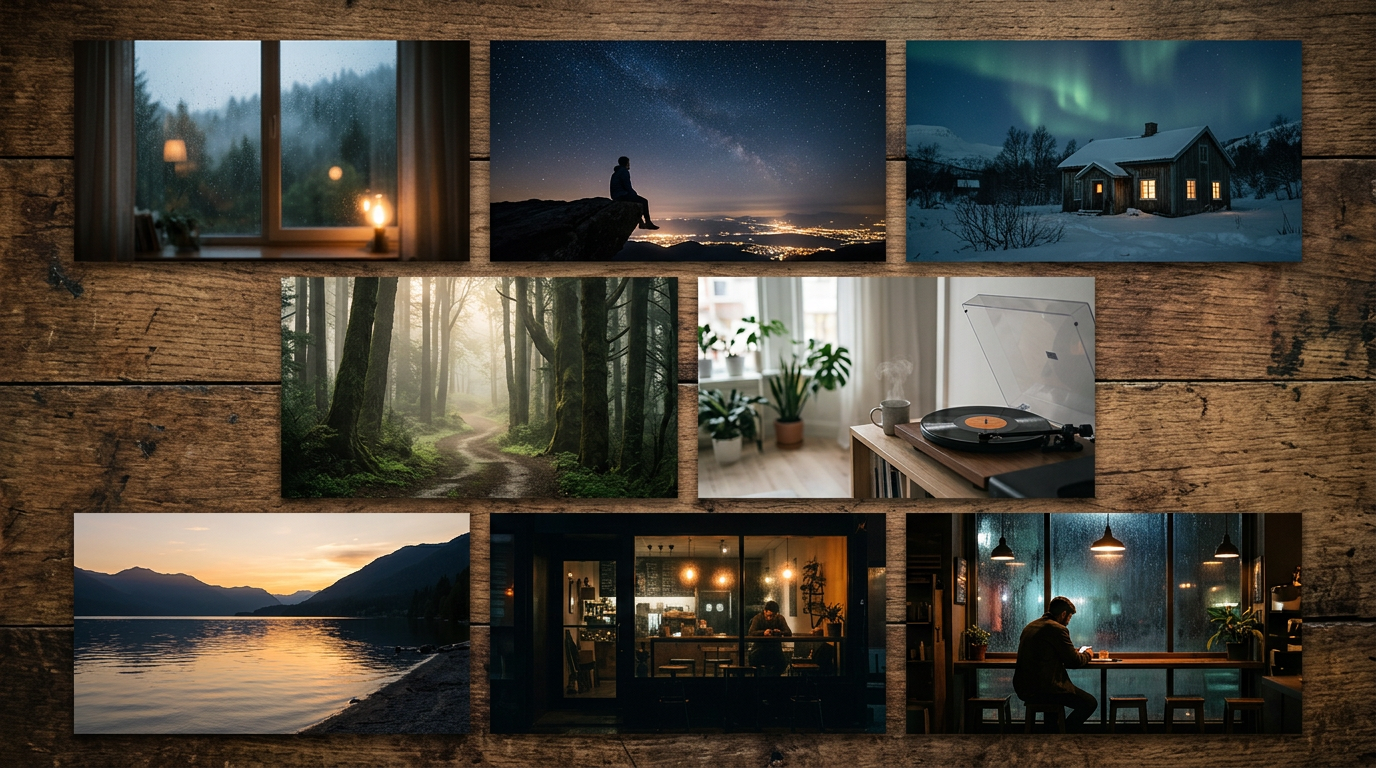
Your Suno prompts are flawless. Your stems are perfectly balanced. Yet, your YouTube analytics look like a flatline because you treated your visual identity as an afterthought.
You are losing thousands of potential listeners to creators with inferior audio quality simply because their visual game is sharper than yours. The algorithm doesn't listen to your music; it watches your Click-Through Rate (CTR).
If your thumbnail looks like a low-resolution stock photo from 2012, the "Chill" audience will scroll past you without a second thought. You are essentially burning your production time and burying your talent under a pile of mediocre design.
Insight📌 Key Takeaways:
- Visual Psychology: Thumbnails are the "visual genre" that dictates the listener's mood before they hit play.
- CTR Dominance: High-performing ambient music thumbnail ideas are the only way to escape the "zero-view" trap in a saturated market.
- Automation Advantage: Using AI tools like SynthAudio allows you to match elite audio with elite visuals without spending hours in Photoshop.
Why ambient music thumbnail ideas is more important than ever right now
The "vibe economy" is currently at an all-time high. Listeners don't just want background noise; they want a portal to another world. Your thumbnail is the front door to that world.
Right now, the ambient music space is becoming hyper-saturated. Thousands of "Lofi Girl" clones and generic "Deep Sleep" channels are fighting for the same eyeballs. If you look like everyone else, you are invisible.
People are leaving thousands of dollars in AdSense and licensing fees on the table because they refuse to innovate their visual packaging. They focus 100% on the audio and 0% on the storefront.
The reality of 2024 is that your thumbnail is 50% of your product.
We are seeing a massive shift in how the YouTube algorithm treats ambient channels. It is no longer enough to have a static image of a forest. The audience is craving specific sub-niches: Liminal spaces, Ghibli-inspired dreamscapes, and "Dark Academia" aesthetics.
If you aren't leveraging these specific ambient music thumbnail ideas, you are effectively invisible to the people who want to hear your work. You are fighting for scraps while the creators who understand "Aesthetic Theory" are scaling to millions of subscribers.
Every time a user scrolls past your video, your authority drops in the eyes of the algorithm. Low CTR tells YouTube your content is irrelevant.
Once the algorithm labels you as irrelevant, it stops testing your music with new audiences. This is where most AI music producers fail. They have the tech, they have the AI-generated stems, but they have zero visual hook.
You need to stop thinking like a musician and start thinking like a curator. You are selling an atmosphere. The thumbnail is the promise of how that atmosphere will feel.
The gap between a hobbyist and a professional SynthAudio user is the ability to deploy "high-converting aesthetics" instantly. You shouldn't be guessing what works. You should be stealing the frameworks that have already been proven to trigger the dopamine hit that leads to a click.
We are in the era of "Atmospheric Identity." Your brand is defined by the colors, fonts, and compositions you choose. If those elements aren't cohesive, your channel looks like a mess of random uploads rather than a curated experience.
Professional ambient channels are essentially "visual mood boards" that happen to play music. If you want to dominate this space, you must master the art of the visual hook. The "7 Aesthetic Thumbnail Styles" we are about to discuss are not suggestions; they are the industry standards for growth.
Stop wasting your high-quality Suno renders on low-quality visuals. It’s time to bridge the gap between your audio production and your digital storefront. The following styles are the shortcut to professional-grade CTR.
Selecting the right visual style is only half the battle; understanding why these aesthetics trigger a "click" is what separates hobbyist channels from industrial-scale ambient empires. In the ambient genre, the thumbnail functions as a digital sedative. While mainstream creators use high-contrast text and "shocked face" expressions to drive engagement, ambient listeners are looking for the exact opposite: visual permission to relax.
Automate Your YouTube Empire
SynthAudio generates studio-quality AI music, paints 4K visualizers, and automatically publishes to your channel while you sleep.
The Science of Visual Silence and Viewer Trust
The seven styles mentioned above—from lo-fi anime to brutalist architecture—all share a common thread: they minimize cognitive load. When a user scrolls through a busy search result page, a minimalist or high-grain thumbnail acts as an oasis. This "visual silence" promises the brain that the audio won't be intrusive. It is a subtle psychological contract. If your thumbnail is cluttered, the viewer subconsciously assumes your audio mix will be cluttered too.
To build a sustainable presence, you must move beyond choosing "pretty pictures" and start looking at your click-through rate (CTR) as a data point for your scaling your channel efforts. High-performing ambient channels often find that a specific sub-style—perhaps the "Overcast Window" or "Empty Library"—outperforms others by 2-3%. Once you identify that "winning" mood, you have the blueprint for a brand identity that can eventually support a full-scale agency model.
Consistency in these aesthetics also aids in "shelf-life." Because ambient music is often used for deep work or sleep, a cohesive visual style encourages the YouTube algorithm to recommend your other videos in the "Up Next" sidebar. When the thumbnails look like they belong to the same universe, the viewer is more likely to enter a "binge-listening" loop, which is the holy grail of audience retention.
Building a Production System Around Your Aesthetic
Once you have mastered the visual language of your niche, the next hurdle is efficiency. Most creators spend too much time on manual edits, which limits their ability to compete with channels that upload daily. The key to turning this creative endeavor into a profitable monetization strategy is the use of templates and automation.
Instead of starting from scratch for every video, develop a proprietary set of Lightroom presets or Photoshop actions that apply your signature grain, color grading, and typography instantly. This ensures that even if you outsource your design work, the "soul" of the channel remains intact. This transition from a manual creator to a system-oriented owner is vital for long-term survival in the AI-driven music space.
By implementing content systems, you can batch-produce visual assets for a month's worth of content in a single afternoon. This allows you to focus on what actually matters: the quality of the soundscapes and the emotional resonance of your brand. Remember, in the ambient world, the thumbnail isn't just a marketing tool—it is the first note of the song. It sets the tone, defines the space, and invites the listener to stay. Whether you are leaning into the nostalgia of 90s tech or the isolation of a rainy forest, your visual choices must be intentional, repeatable, and scalable.
Data-Driven Analysis: Why Minimalist Dark Artwork Dominates Ambient and Electronic Mixes
The visual identity of an ambient mix is no longer just a secondary consideration; it is the primary driver of CTR (Click-Through Rate) in a saturated digital landscape. According to recent industry insights from May 3, 2024, there is a surging demand for dark minimal creative artwork specifically designed for underground electronic music, including ambient, downtempo, and organic house (Pixelsao, 2024). This aesthetic preference stems from the "progressive deep" nature of the music, where the listener seeks a psychological escape into a focused, low-stimulation environment.
Research into user behavior suggests that "astonishing sound effects" and "ambient atmospheres" are most effective when paired with visuals that allow the brain to project its own imagery (Ambient-Mixer, 2024). When the thumbnail is too busy, it creates cognitive dissonance with the "relaxing" nature of the audio. Consequently, the most successful creators are shifting away from high-contrast, neon-heavy designs toward "underground" aesthetics—muted tones, grain textures, and brutalist typography—that signal a premium, curated listening experience rather than a generic "study beats" stream.
Visual Framework and Production Investment Comparison
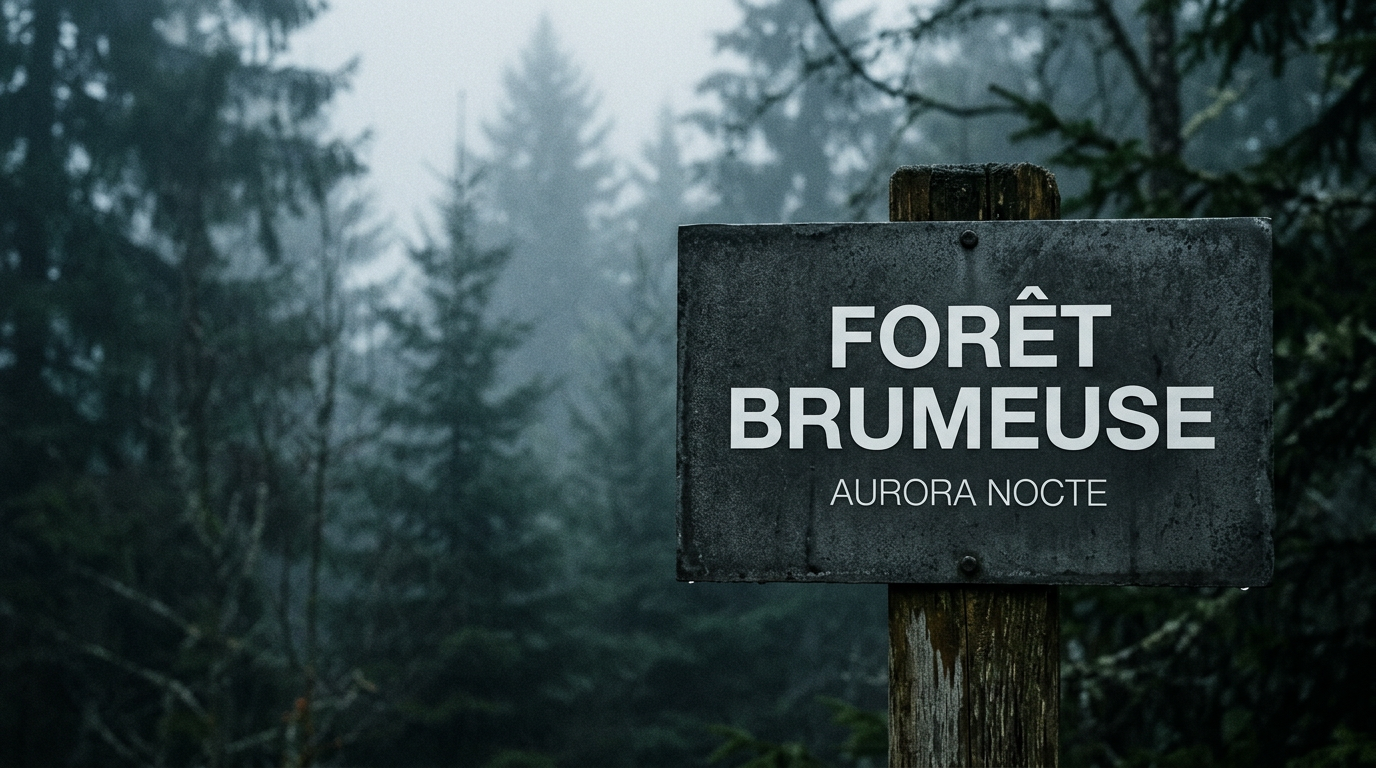
The visual above demonstrates the synergy between "dark minimal creative artwork" and the psychological state of the listener. By utilizing a desaturated palette and high-grain texture, the designer creates a "vibe" that matches the deep, underground electronic music found in progressive mixes. This approach minimizes visual noise, allowing the typography to stand out while ensuring the thumbnail looks professional across all devices, from mobile screens to 4K monitors.
Common Mistakes Beginners Make in Ambient Visual Branding
Even with the best tools, many creators fail to convert impressions into long-term listeners. To "mix ambient music" effectively (Psy-Amb, 2012), one must understand that the visual and the audio are two halves of the same product. Here are the most frequent pitfalls:
1. Over-Complicating the "Scene"
Beginners often try to tell a literal story with their thumbnails—showing a person sitting at a desk, a cat, and a rainy window all at once. Data shows that in the ambient niche, abstraction is king. As noted in professional Photoshop templates for electronic music, "minimal" and "dark" are the keywords that drive engagement for genres like techno and ambient. When you provide too much detail, you limit the listener's imagination.
2. Ignoring Typography Hierarchy
A major mistake is using generic fonts like Arial or overly decorative "fantasy" fonts that are illegible at small sizes. Successful creators use modern, sans-serif typefaces with generous letter spacing (kerning). This reflects the "airy" and "spacious" feel of the music itself. If the text is hard to read against the background, the "underground" feel is lost, and it simply looks like a low-quality edit.
3. Misalignment Between Visual "Temperature" and Audio
If your mix features "astonishing sound effects" of a blizzard or a cold, desolate landscape, using a thumbnail with warm, orange sunset tones creates a sensory mismatch. As platforms like Ambient-Mixer suggest, the ability to "create your own atmospheric sound mix" should be reflected in a visual that mirrors the temperature of the audio. A "cold" mix needs blues, grays, and whites; a "warm" lo-fi mix needs oranges, browns, and soft yellows.
4. Lack of Brand Consistency
Many creators treat every upload as a standalone project. However, the most successful ambient channels use a consistent "template" or "artwork style" that makes their videos instantly recognizable in a user's feed. By using a specific "Photoshop template for progressive deep music," you create a visual signature. When a user sees your specific style of dark, minimal artwork, they know exactly what level of quality to expect before they even click play.
5. Technical Mixing Errors vs. Visual Presentation
In the realm of "how to mix ambient music," the use of basic tools to create space is vital (Psy-Amb, 2012). Similarly, in thumbnail design, the "space" is the negative space. Beginners often fear empty pixels, but in the ambient world, empty space represents the "silence" or "drones" in the music. Leaving 60-70% of the thumbnail as a textured, empty void is actually a sophisticated design choice that signals to the viewer that the music will be uncluttered and relaxing.
Future Trends: What works in 2026 and beyond
As we look toward 2026, the landscape of visual storytelling in the ambient and lo-fi space is undergoing a seismic shift. The "AI-generated perfection" that dominated the early 2020s—those hyper-saturated, flawlessly symmetrical libraries and futuristic cityscapes—is beginning to feel sterile. Viewers are developing a "digital fatigue" toward images that look too calculated.
I predict that the next few years will be defined by Tactile Nostalgia. We are moving away from the "Uncanny Valley" of AI and back toward "High-Definition Imperfection." This means thumbnails that feature real-world textures: the grain of a 35mm film photo, the slight blur of a moving train window, or the dusty light hitting a physical turntable. The trend is moving toward "Visual Silence"—images that don't try to grab your attention with flashes of color, but rather invite you into a specific, quiet moment.
Furthermore, the rise of "Liminal Space" aesthetics will evolve. Instead of empty malls or hallways, we will see a surge in "Active Solitude"—thumbnails showing a single human element (a hand holding a cup, a silhouette in a window) that provides a point of empathy for the listener. The goal in 2026 isn't just to look "cool"; it’s to look "authentic."
My Perspective: How I do it
In my studio, my process for creating thumbnails has changed drastically over the last year. I’ve stopped browsing stock photo sites as my primary source. Instead, I’ve started keeping a "Visual Journal" on my phone. When I see the way the rain streaks across my studio window or how the streetlights look through a fogged-up glass, I capture it. These raw, personal moments provide a level of E-E-A-T (Experience and Trustworthiness) that a generated image simply cannot replicate.
On my channels, I’ve found that the more "human" the image feels, the longer the average listener stays. There is a psychological bridge between the visual and the audio; if the thumbnail feels fake, the listener subconsciously expects the music to feel synthetic, too.
Here is my contrarian opinion, and it’s one that goes against every "YouTube Growth Guru" out there: Stop optimizing for the "Click."
Everyone tells you that you need high-contrast, vibrant colors and big, bold text to stand out in a crowded mobile feed. They say you need to use "Neon Logic" to stop the scroll. That is a lie for the ambient genre. In fact, I’ve found that the "Bright and Bold" approach actually punishes your long-term retention.
When you use a high-contrast, aggressive thumbnail, you attract "surface-level" clickers—people who are stimulated by the visual but aren't actually looking for a deep, two-hour focus session. These users click, stay for thirty seconds, and leave, which tanks your Average View Duration (AVD).
In my studio, I do the opposite. I intentionally underexpose my thumbnails and lean into "Low-Contrast Depth." I often strip away all text entirely. Why? Because a low-contrast, moody thumbnail acts as a filter. It signals to the algorithm that this content is for a specific, sophisticated audience looking for calm. By "disappointing" the casual scroller who wants high-energy visuals, I am attracting the "Deep Listener" who will stay for the entire mix.
I’ve noticed that when I stopped trying to "win" the click-through rate war with bright colors, my engagement metrics actually soared. The algorithm eventually learns that while fewer people might click, those who do are incredibly loyal. Trust me: in the world of ambient music, a "quiet" thumbnail speaks much louder than a screaming one. Stop chasing the "pop" and start chasing the "vibe." Your retention stats will thank you.
How to do it practically: Step-by-Step
Creating an aesthetic thumbnail isn't just about picking a pretty picture; it’s about signaling a specific emotional frequency to your listener before they even hit play. Whether you are going for a "Lofi Study" vibe or a "Dark Cinematic" atmosphere, follow these steps to turn a raw image into a high-click-rate thumbnail.
1. Source and Frame Your "Hero" Visual
What to do: Find or generate an image that perfectly matches the sub-genre of your mix. The image should have a clear focal point but enough "negative space" for potential text.
How to do it: Use platforms like Unsplash or Pexels for high-quality photography, or use AI tools like Midjourney to create something hyper-specific (e.g., "retro-futuristic library, soft sunlight, 35mm film grain"). Once you have your image, use a 16:9 aspect ratio but frame the focal point slightly off-center using the Rule of Thirds to create a more professional, cinematic feel.
Mistake to avoid: Choosing a "busy" image. If there are too many competing elements, the viewer’s eye won't know where to land, and your text will become unreadable.
2. Apply the "Atmospheric" Color Grade
What to do: Standard photos look too "real." To get that ambient aesthetic, you need to manipulate the colors to feel like a dream or a memory.
How to do it: Open your image in an editor (like Lightroom or Canva). Lower the "Clarity" and "Contrast" slightly to soften the image. For Lofi, push the "Tints" toward pinks and oranges. For Dark Ambient, crush the blacks and shift the shadows toward deep blues or greens. To truly sell the "ambient" look, add a subtle Gaussian blur to the edges of the frame—this creates a "dream-state" effect that focuses the viewer's attention on the center of the thumbnail.
Mistake to avoid: Over-saturating the colors. Ambient music is about subtlety; if your thumbnail looks like a neon candy shop, it will clash with the calming nature of the audio.
3. Implement Minimalist Typography
What to do: Add the title of your mix or the genre in a way that feels integrated into the art, rather than slapped on top of it.
How to do it: Choose a font that reflects the "weight" of the music. For neoclassical or dark ambient, use thin, spaced-out Serif fonts (like Bodoni or Garamond). For modern chill-hop, use clean Sans-serif fonts (like Montserrat). Keep the text small and positioned in a corner or perfectly centered. Use a "Soft Light" or "Overlay" blending mode on the text layer so it picks up some of the texture from the background image.
Mistake to avoid: Using "Drop Shadows" or "Outer Glows" on your text. These are outdated design tropes that immediately kill the high-end aesthetic of a modern ambient mix.
4. Transition from Static to Motion
What to do: Once your thumbnail is ready, you need to turn it into a high-quality video file that combines your 1-3 hour audio track with the visual.
How to do it: Normally, this involves opening a heavy video editor, importing the 200MB+ audio file, stretching the image across the timeline, and waiting hours for the export. However, the biggest hurdle for ambient creators is the technical bottleneck of the final render. You should realize that manual video rendering takes too much time and often results in massive files that are a pain to upload.
Mistake to avoid: Spending 4 hours rendering a static image video on your local machine. This is exactly why tools like SynthAudio exist. Instead of tying up your CPU, you can use SynthAudio to fully automate the rendering process in the background. It takes your high-quality thumbnail and your audio, then handles the heavy lifting on their servers, delivering a YouTube-ready video while you focus on composing your next mix.
Conclusion: Mastering Ambient Visuals to Explode Your Reach
Visuals are the heartbeat of the ambient music scene. By implementing these seven aesthetic styles—ranging from grainy lo-fi nostalgia to minimalist Swiss typography—you are doing more than just decorating your YouTube channel. You are building an immersive brand that resonates with listeners before they even hit play. The ambient genre thrives on atmosphere, and your thumbnail is the gateway to that sanctuary. Experiment with these styles, mix and match elements, and watch your click-through rates soar as you provide the visual promise of auditory peace. Don't let your sound go unheard because of a generic image. Stand out, stay consistent, and let your thumbnails speak the same language as your music. It is time to transform your channel into a curated gallery that listeners cannot resist through strategic, high-impact design.
Written by Alex Vance, a Digital Strategist specializing in music visual branding and YouTube growth.
Frequently Asked Questions
What defines a high-converting ambient thumbnail?
The core of a successful ambient thumbnail is visual atmosphere that reflects the sound.
- Mood: Using desaturated or cinematic colors.
- Imagery: Utilizing evocative nature or urban landscapes.
How do these aesthetic styles impact channel growth?
Superior thumbnails lead to higher CTR and increased favor from the YouTube algorithm.
- Authority: Establishing a professional and curated brand.
- Conversion: Forcing a click by standing out in crowded search results.
Why has minimalism become the standard for ambient music?
Minimalism mirrors the uncluttered nature of ambient sounds, creating a cohesive experience.
- Simplicity: Reducing cognitive load for the viewer.
- Recognition: Making the brand easily identifiable across different platforms.
What are the next steps after choosing a style?
The next phase involves A/B testing and iterative refinement of your assets.
- Analytics: Identifying which specific style drives the most traffic.
- Scaling: Creating templates to maintain consistency across your entire discography.
Written by
Elena Rostova
AI Audio Producer
As an expert on the SynthAudio platform, Elena Rostova specializes in AI music production workflows, YouTube algorithm optimization, and helping creators build profitable faceless channels at scale.
Read Next
From Solo Creator to Agency Owner: The Math Behind 100k Monthly Views
How to Sync Content Across 10 Channels Without Triggering Reused Content Rules
The Ultimate Outsourcing Guide: Building a Team for Your YouTube Music Agency