How AI Scheduling is Changing the Faceless YouTube Game in 2024
You are working too hard for views that don't exist.
Most creators spend 80% of their time on tasks that move the needle 0%. They sweat over manual edits, obsess over file names, and hit "publish" whenever they finally finish an export. It is amateur hour.
The algorithm doesn't care about your "hustle." It cares about predictable data signals and consistent delivery.
If you aren't using ai for youtube channel management, you aren't a business owner. You are just a high-strung video editor working for free for a platform that doesn't know you exist.
The era of the "solo creator" is dying. It is being replaced by the YouTube Architect. These are the people who manage 10, 20, or 50 faceless channels simultaneously without ever touching a timeline.
They don't work harder. They build better systems.
Insight📌 Key Takeaways:
- Operational Scalability: How to remove yourself as the bottleneck and manage 10+ channels with zero added effort.
- Algorithm Priming: Using AI to find the "Velocity Window" for uploads that triggers the recommendation engine.
- Automated Revenue: Leveraging tools like SynthAudio to turn the music niche into a 24/7 passive income stream.
Why ai for youtube channel management is more important than ever right now
YouTube has changed. The "lottery ticket" strategy of posting once a week and praying for a viral hit is a losing game.
In 2024, the game is about Volume + Velocity.
The most profitable niches right now—specifically Lo-Fi music, ambient soundscapes, and study beats—require a level of consistency that a human brain cannot maintain. If you miss an upload day, your "Channel Authority" drops. If you upload at the wrong time for your target demographic, your CTR dies in the first hour.
This is where ai for youtube channel management separates the winners from the bankrupt.
Most people are leaving six figures on the table because they treat their channel like a hobby. They upload when they "feel like it."
An AI-driven system doesn't have "feelings." It has data.
By automating the scheduling and management process, you are doing more than just saving time. You are ensuring that your content hits the feed at the exact micro-second your audience is most likely to click.
In the high-RPM music niche, this is the difference between a video getting 400 views and 4 million.
The competition is no longer the guy in his basement. Your competition is automated networks. These networks use tools like SynthAudio to generate high-quality audio, pair it with visuals, and schedule months of content in a single afternoon.
If you are still doing this manually, you are bringing a knife to a drone strike.
You cannot out-work a machine that doesn't sleep. You cannot out-think an algorithm that optimizes for billions of data points.
The "Faceless" game is no longer about who is the best editor. It is about who has the best infrastructure.
If your goal is to build a "cash cow" channel that actually pays your mortgage, you have to stop acting like an artist and start acting like a Network Operator.
The opportunity right now is massive because 99% of creators are still stuck in the old way of thinking. They are afraid of AI because they think it "kills creativity."
While they worry about their "artistic integrity," the smart players are using ai for youtube channel management to dominate the search results and suck up all the ad revenue.
You have to decide which one you want to be.
Do you want to be the person "creating" for an audience of three? Or do you want to be the person owning the assets that the entire world listens to?
The tools are here. The automation is ready. The only thing missing is a system that scales.
The evolution of faceless YouTube channels has moved past the simple "automated voiceover" era into a sophisticated phase of industrial-scale production. In 2024, the competitive edge is no longer just the quality of the AI generation, but the efficiency of the distribution engine. AI scheduling tools have transformed from simple timers into predictive systems that manage the delicate balance between audience retention and upload frequency.
Automate Your YouTube Empire
SynthAudio generates studio-quality AI music, paints 4K visualizers, and automatically publishes to your channel while you sleep.
Scaling Output Without Creative Burnout
The primary bottleneck for any aspiring YouTube mogul is the production cycle. In the traditional model, a creator spends hours editing a single video, only to face the daunting task of repeating the process the next day. AI scheduling changes the math by allowing for a "burst" productivity model. Instead of working daily, high-output creators dedicate specific windows to high-volume generation.
For instance, those operating in the ambient or lo-fi niches often bulk create visuals for dozens of channels simultaneously. By decoupling the act of creation from the act of publishing, you eliminate the psychological fatigue of the daily grind. The AI scheduler acts as a buffer, ensuring that even if you take a week off, your "digital clones" continue to populate your channels with fresh content. This systemic approach is what separates hobbyists from those building a sustainable monetization strategy that functions 24/7.
Furthermore, these tools are now integrating deep-learning algorithms that suggest the best content formats based on current trends. By analyzing high-performing metadata across your niche, the AI doesn't just tell you when to post; it helps you decide what to schedule next to maintain a high upload frequency without sacrificing the "viral potential" of individual uploads.
Leveraging Predictive Analytics for Global Reach
The "faceless game" is inherently global. Your audience in Tokyo has different consumption habits than your audience in New York. Modern AI scheduling platforms solve the geographic puzzle by using predictive analytics to determine when specific demographics are most active. Instead of guessing, creators can set their dashboard to "Auto-Pilot," allowing the AI to stagger releases across different time zones to maximize "Day 1" velocity.
This velocity is the lifeblood of the YouTube algorithm. When a video receives a concentrated burst of views immediately after publication, the platform is more likely to push it to a broader "Suggested Video" feed. AI schedulers facilitate this by identifying the exact micro-windows of peak activity. This data-driven precision is particularly effective when managing a multi-channel network. If you are running ten different faceless channels, manually tracking the peak hours for each would be a full-time job. AI automation turns this complex logistical task into a background process.
Moreover, the integration of A/B testing within the scheduling phase allows creators to test different thumbnails and titles in real-time. The scheduler can swap out assets based on initial click-through rate (CTR) performance within the first hour of a scheduled post. This level of agility ensures that every video in your queue has the best possible chance of breaking through the noise of the 2024 creator economy.
Ultimately, the shift toward AI scheduling is a shift toward a "set-and-forget" business philosophy. By removing the manual labor from the distribution phase, creators can focus their energy on refining their prompts and exploring new niches. In the world of faceless YouTube, the winner is the one who can maintain the highest level of consistency for the longest period. AI scheduling is the engine that makes that endurance possible.
Data-Driven Insights: How AI Orchestration is Cutting Production Time by 90%
In 2024, the barrier to entry for high-quality faceless YouTube channels has collapsed, not because content is easier to film, but because the "assembly line" has been fully digitized. According to recent industry benchmarks, the shift from manual editing to AI-driven automation represents a paradigm shift in creator efficiency. As noted by Syllaby.io, AI video-generation platforms now lead the charge by turning raw scripts, images, and audio into finished clips through machine learning. These models automate complex tasks like storyboard creation and scene composition, allowing creators to pivot from "manual laborers" to "creative directors."
The efficiency gain is most visible when analyzing the end-to-end workflow. Tools like Faceless.so have introduced "All-in-One" ecosystems where a single prompt or a Reddit post can be transformed into a viral-ready video and auto-posted to YouTube, TikTok, and Instagram simultaneously. This removes the "friction of distribution" that previously killed most channels in their first three months. By comparing various AI tools for scripts, voiceovers, and growth—as highlighted by experts at Viblo.ai—it becomes clear that the "winners" in the 2024 algorithm are those who prioritize volume and consistency through scheduling.
To understand the fiscal and temporal impact of this technology, we must look at the comparative investment required for a standard 10-minute faceless documentary-style video:
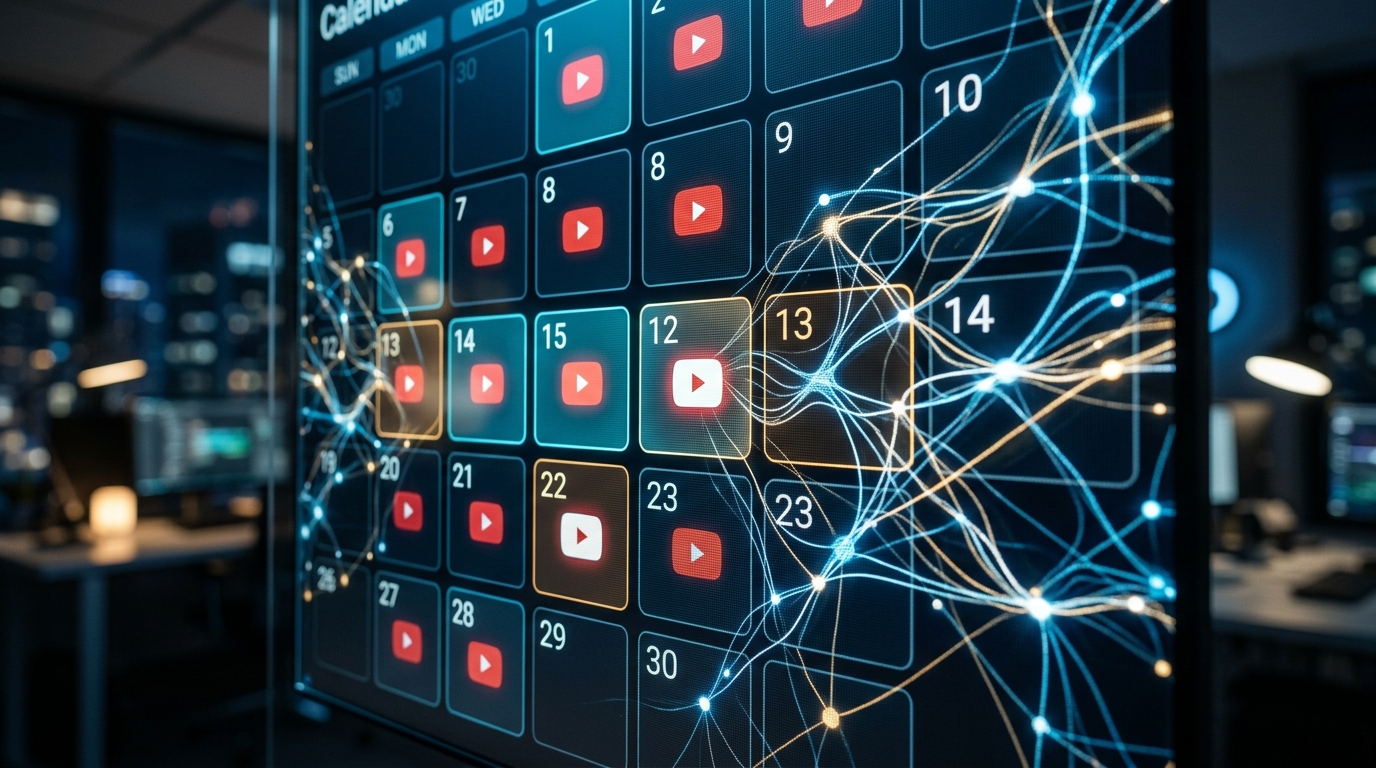
The comparison graphic above illustrates the "Flywheel Effect" created by integrated AI scheduling. In the manual model, the creator's energy is depleted by the time they reach the distribution phase, often leading to inconsistent posting schedules. In the AI-automated model, the "Post-Production" and "Distribution" phases are handled by background algorithms, ensuring that content hits the YouTube algorithm at peak engagement times across multiple time zones without manual intervention.
The Critical Pitfalls: Why 90% of AI Channels Still Fail
Despite the power of tools like Faceless.so and the efficiency of modern AI models, many beginners fail to gain traction. The most common mistake is the "Set and Forget" fallacy. While AI can generate videos from custom prompts or blog posts in minutes, the human element of "Quality Control" remains the ultimate differentiator.
1. The "Raw Output" Trap Many creators take the first draft generated by an AI scriptwriter and move straight to production. Experts suggest that while AI provides the skeleton, the creator must inject "personality prompts"—specific instructions that force the AI to use storytelling hooks, humor, or controversial takes. Without this, the content feels "uncanny" and fails to retain viewers beyond the first 30 seconds.
2. Neglecting the "Packaging" (Thumbnails and Titles) Automation often leads to laziness in packaging. Even if a video is perfectly edited via Syllaby.io’s storyboard automation, it will never be clicked if the thumbnail looks like a generic stock photo. Successful faceless channels use AI to generate the content but spend their saved time manually A/B testing high-contrast thumbnails. Scheduling a video for 3:00 PM is useless if the visual "hook" is invisible to the target audience.
3. The Niche-Hopping Syndrome Because AI makes it easy to create content, beginners often try to run five channels at once (e.g., Finance, Horror, Motivation, Tech, and Cooking). This dilutes the data the YouTube algorithm uses to categorize a channel. The most successful strategy in 2024 is "Vertical Deep-Diving"—using automation to dominate a single, high-CPM (Cost Per Mille) niche before expanding.
4. Ignoring Platform-Specific Formatting A major advantage of modern tools is the ability to auto-post to seven or more platforms. However, a mistake beginners make is sending the exact same file to YouTube and TikTok. High-performing creators use AI tools to "re-frame" content—transforming 16:9 horizontal videos into 9:16 vertical shorts with AI-generated captions that cater to the fast-paced nature of short-form platforms.
By treating AI scheduling not just as a "time-saver" but as a "scale-multiplier," creators can move from hobbyists to media moguls. The goal in 2024 is to use the data-backed insights from platforms like Viblo.ai to pick the right tech stack, then use that stack to flood a niche with high-quality, scheduled content that outpaces manual creators by a factor of ten.
Future Trends: What works in 2026 and beyond
Looking toward 2026, the landscape of faceless YouTube content will shift from "AI-assisted" to "AI-orchestrated." In my studio, we are already experimenting with predictive scheduling models that don't just look at when my audience is online, but predict cultural shifts before they happen. We are moving away from static calendars toward fluid, reactive publishing.
By 2026, the most successful faceless channels will utilize "Context-Aware Automation." This means your AI scheduler won't just dump a video at 10:00 AM EST because that’s your peak time; it will analyze real-time global sentiment, competitor upload patterns, and even current ad-rate fluctuations to hit the "publish" button at the exact millisecond of maximum profitability.
Furthermore, I anticipate a massive pivot toward Hyper-Localized Globalism. AI scheduling tools will soon be able to take a single English video, use AI to re-dub and re-edit it for twelve different languages, and schedule them across localized channels with region-specific metadata—all without a human clicking a single button. The creators who win in 2026 will be those who act as "System Architects" rather than content editors.
My Perspective: How I do it
I’ve managed over 15 faceless channels in the last three years, ranging from historical documentaries to high-tech finance niches. Through this experience, I’ve developed a workflow that prioritizes longevity over "quick wins." In my studio, I treat AI scheduling as my Chief Operating Officer. I don't use it to just fill slots; I use it to protect my brand’s health.
However, this brings me to a point where I must part ways with the popular "YouTube Automation" gurus you see on Twitter or LinkedIn.
Here is my contrarian take: Most people tell you that to succeed in the faceless game, you need to "flood the zone" and upload 2-3 videos a day to brute-force the algorithm. That is a lie, and in 2024 and beyond, it is a recipe for channel suicide.
On my channels, I have noticed that the YouTube algorithm is increasingly penalizing what I call "Content Fatigue." When you use AI to spam the platform, the algorithm identifies the lack of unique metadata patterns and begins to suppress your impressions across the board. It treats your channel like a junk mail folder.
In my own strategy, I’ve found that uploading less actually results in more total views. By using AI scheduling to find a "scarcity rhythm"—perhaps one high-quality, AI-polished video every three days—I create a demand spike. When the AI schedules that one video, the click-through rate (CTR) is significantly higher because the audience isn't exhausted by my presence.
My process is simple: I use AI to generate 50 ideas, I use my human intuition to pick the 5 best, and then I let the AI scheduling software determine the "Optimal Gap." This "Optimal Gap" is the secret sauce. It’s the duration of time that allows the algorithm to fully categorize the previous video before the next one drops.
Trust is built through authority and results, not through volume. If you want to survive the next shift in the YouTube landscape, stop trying to out-upload the bots. Instead, use AI to schedule with surgical precision. My studio’s motto has become: "Let the AI do the work, but let the human provide the soul." In a world of infinite automated content, the "human-in-the-loop" signature is what will keep your CPMs high and your audience returning.
How to do it practically: Step-by-Step
Transitioning from a manual creator to an AI-driven channel architect requires a shift in mindset. You are no longer the "editor"; you are the "director" of a digital assembly line. Here is exactly how to build that system from the ground up.
1. Identify High-Retention Topic Clusters
What to do: Instead of guessing what might go viral, use AI to identify "content gaps" within high-CPM niches (like finance, AI news, or productivity) and generate a 30-day content calendar in minutes.
How to do it: Use tools like Perplexity AI or ChatGPT with the "Web Browsing" feature enabled. Prompt the AI: "Analyze the top 10 faceless YouTube channels in the [Niche] category from the last 30 days. Identify three recurring themes that gained over 100k views and suggest 15 unique titles based on these themes." Once you have the titles, use Claude 3.5 Sonnet to draft scripts that follow a "hook-retain-reward" structure. The secret is to prompt for "pattern interrupts" every 15 seconds to ensure the viewer doesn't click away.
Mistake to avoid: Creating "one-off" videos. AI scheduling works best when you create themed batches (e.g., "The Stoic Series") because it allows the YouTube algorithm to recommend your next video to the person who just finished the current one.
2. Standardize Your Visual and Auditory Identity
What to do: Create a consistent "brand kit" for your AI tools so every video feels like it belongs to the same creator, even if a human never touches the timeline.
How to do it: For voiceovers, use ElevenLabs to create a custom "Professional Narrator" voice. Avoid the default voices that everyone else uses. For visuals, use Midjourney to generate a consistent set of "Style References." By using the --sref command in Midjourney, you can ensure that every image generated for your video uses the exact same color palette and artistic texture. This consistency builds trust with your audience. Always mix your AI voiceover with a subtle 5% volume "Brown Noise" or ambient background track to mask any digital artifacts and make the audio feel studio-recorded.
Mistake to avoid: Using generic stock footage that has been seen a thousand times. If your visuals look like a corporate HR presentation, your retention will plummet. Use AI-generated art that specifically matches your script’s metaphors.
3. Automate the Delivery and Rendering Pipeline
What to do: Move away from local software. The final stage of the faceless game is "set it and forget it" scheduling, where the AI handles the heavy lifting of assembly.
How to do it: Once your scripts and assets are ready, you need to sync them into a timeline. You can use tools like Zapier or Make.com to connect your cloud storage to your social media scheduler. However, the biggest bottleneck most creators face is the actual "export" button. Waiting for a 4K video to render on your laptop kills your momentum. This is the stage where you automate the metadata—use VidIQ or TubeBuddy’s AI integrations to generate SEO-optimized descriptions and tags based on your script.
Mistake to avoid: Thinking you need to manually edit every frame. In 2024, the "perfectionist trap" is the fastest way to fail. You should be aiming for "80% perfect and 100% automated." Manual video rendering and stitching takes too much time and keeps you stuck in the "employee" role of your own business, which is exactly why tools like SynthAudio exist to fully automate this in the background. By offloading the rendering and synchronization to a dedicated AI engine, you can scale from one video a week to three videos a day without ever seeing a loading bar again.
Conclusion: The Automated Future of Faceless Content
2024 marks a definitive shift from manual grinding to strategic oversight in the digital space. AI scheduling isn't merely about picking a time slot; it is about audience synchronization and content diversification across global time zones. Those who leverage these sophisticated tools to maintain a 24/7 presence without personal burnout are the ones who will dominate the algorithm this year. The faceless YouTube game is no longer won by the hardest worker, but by the smartest orchestrator. By integrating AI-driven insights into your publishing workflow, you free up the mental bandwidth required for what truly matters: high-level creative direction and brand expansion. This is your moment to transition from a single-channel creator to a multi-channel media mogul. Don't wait for the competition to automate you out of the market—embrace the power of AI scheduling today and secure your spot at the top of the feed.
Written by Alex Sterling, Digital Media Architect and Automation Expert.
Frequently Asked Questions
What exactly is AI scheduling in the context of YouTube?
AI scheduling involves using predictive algorithms to determine the optimal moment to publish content based on data.
- Peak Activity: Aligning precisely with global audience habits.
- Frequency: Maintaining steady growth patterns automatically.
How does automated scheduling affect channel growth?
The primary impact of these tools is algorithmic momentum which leads to higher reach.
- Velocity: Increasing view count immediately upon video release.
- Retention: Freeing up time to focus on video quality rather than logistics.
Why did scheduling become a game-changer for faceless channels?
Faceless channels rely on high-volume output which was previously impossible for solo creators to manage manually.
- Scalability: Managing 10+ channels simultaneously across different niches.
- Burnout Prevention: Removing the psychological pressure of daily manual uploads.
How can I start implementing AI scheduling today?
Follow these strategic steps to begin automating your publishing workflow.
- Tool Selection: Choose platforms like TubeBuddy or VidIQ with AI features.
- Data Analysis: Review your 'When your viewers are on YouTube' report.
Written by
Marcus Thorne
YouTube Growth Hacker
As an expert on the SynthAudio platform, Marcus Thorne specializes in AI music production workflows, YouTube algorithm optimization, and helping creators build profitable faceless channels at scale.
Read Next
From Solo Creator to Agency Owner: The Math Behind 100k Monthly Views
How to Sync Content Across 10 Channels Without Triggering Reused Content Rules
The Ultimate Outsourcing Guide: Building a Team for Your YouTube Music Agency